
From Baltic field to everyday dress
Lithuanian linen:
a story woven slowly
Before linen becomes something we wear, it is a blue-flowering plant, a season of patient work and a thread passed through many hands.
A living material
Cloth that remembers the field
Linen begins with flax: fine stems crowned, briefly, with pale blue flowers. In Lithuania, flax belongs not only to agricultural history but to a culture of making. Museum collections preserve linen clothing, handwoven towels, bed linen, tablecloths, yarn and rolls of cloth—objects that carried the fibre from workday usefulness into the most carefully kept rooms of the home.12
That history does not need embellishment. Its romance lies in the real transformation: a small seed becoming a garment through time, water, skill and attention.
Wear the story
Linen, shaped for now
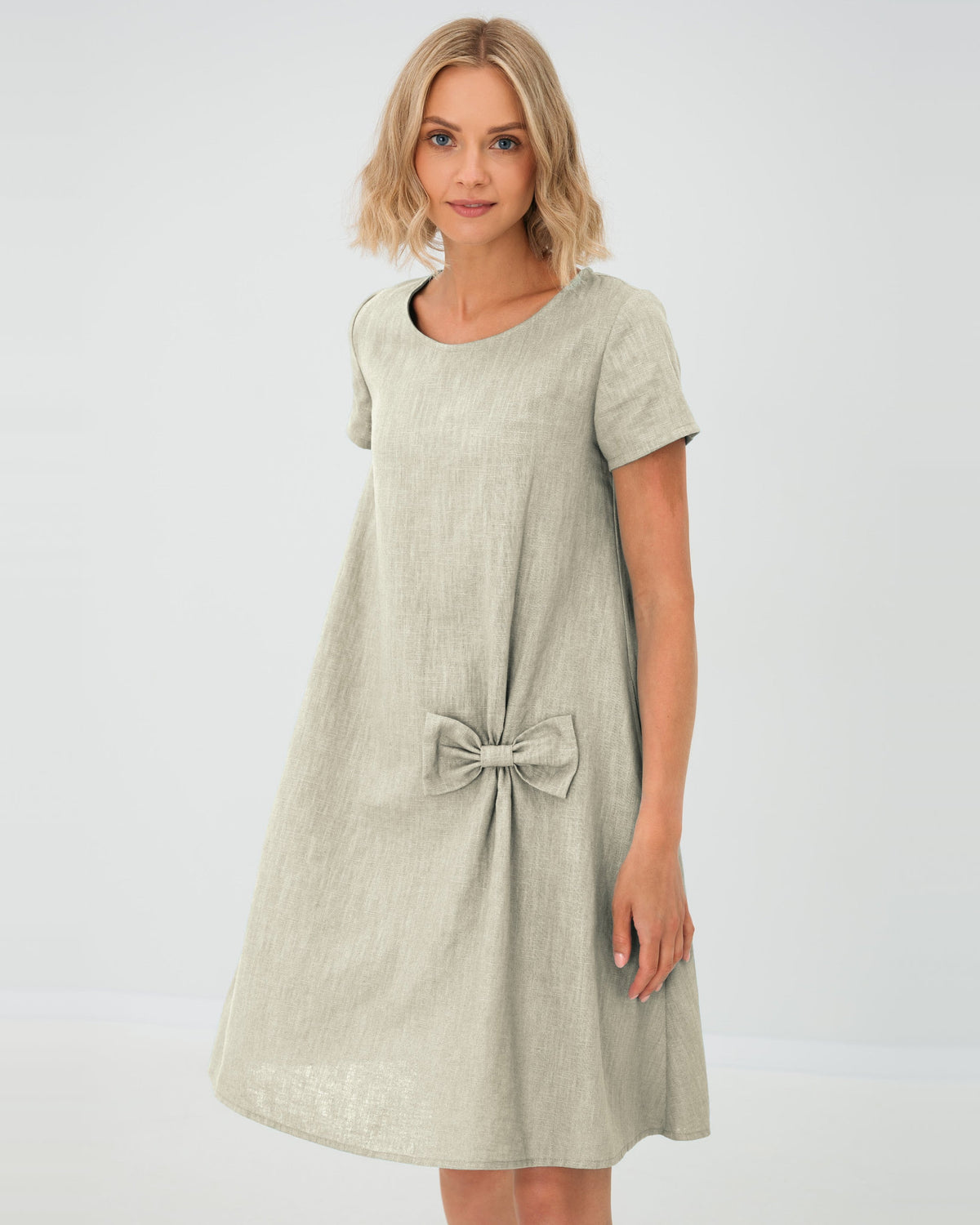
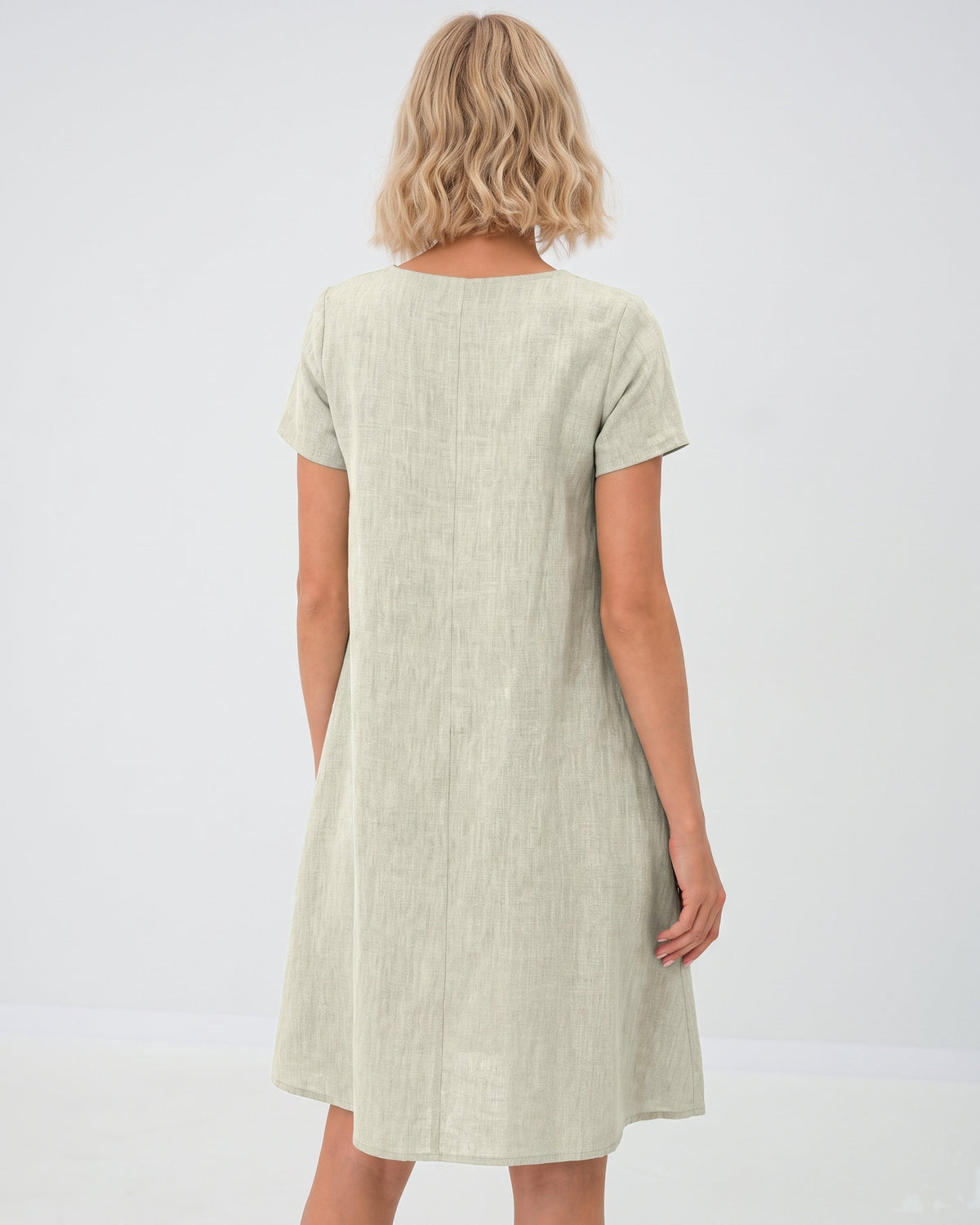
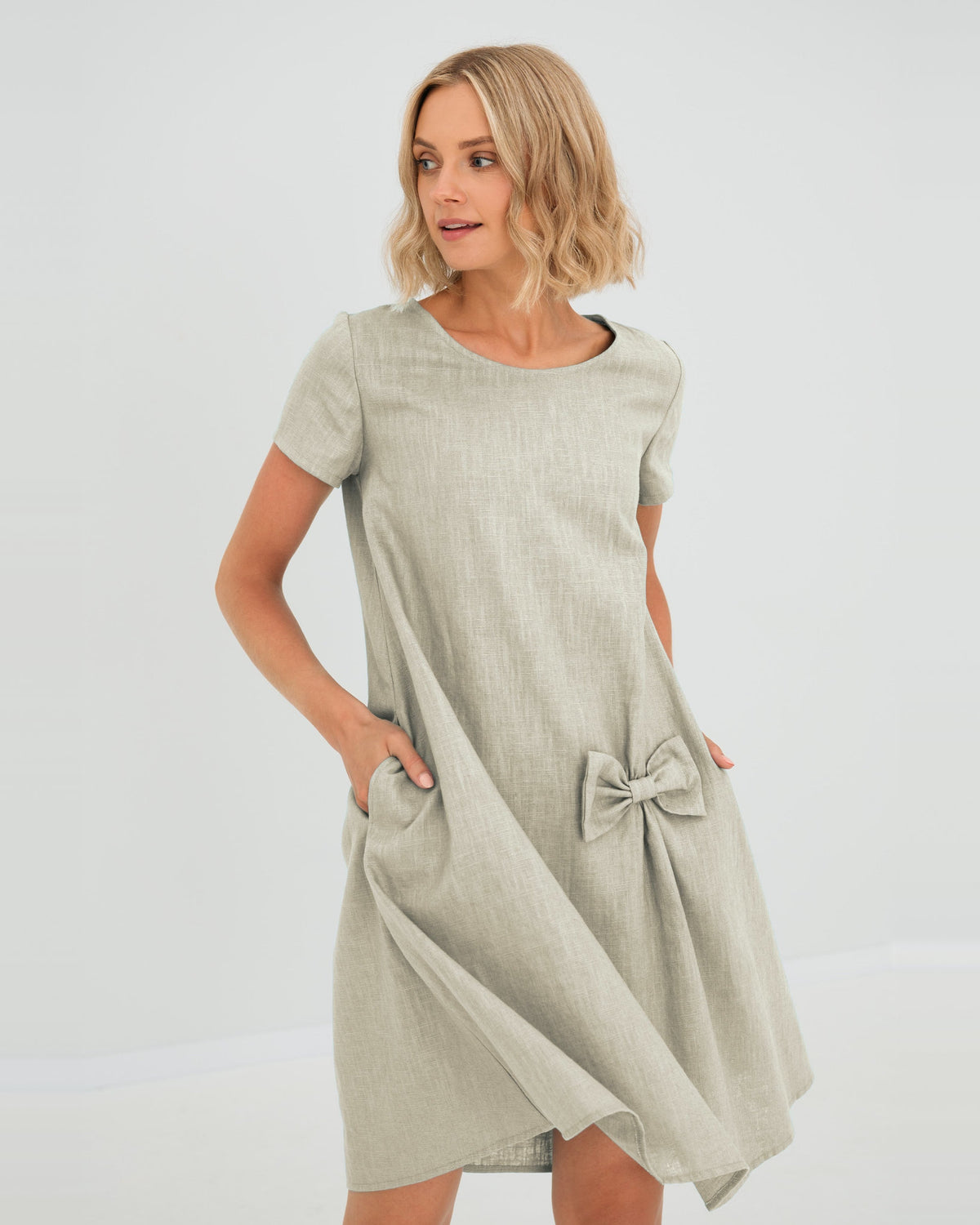
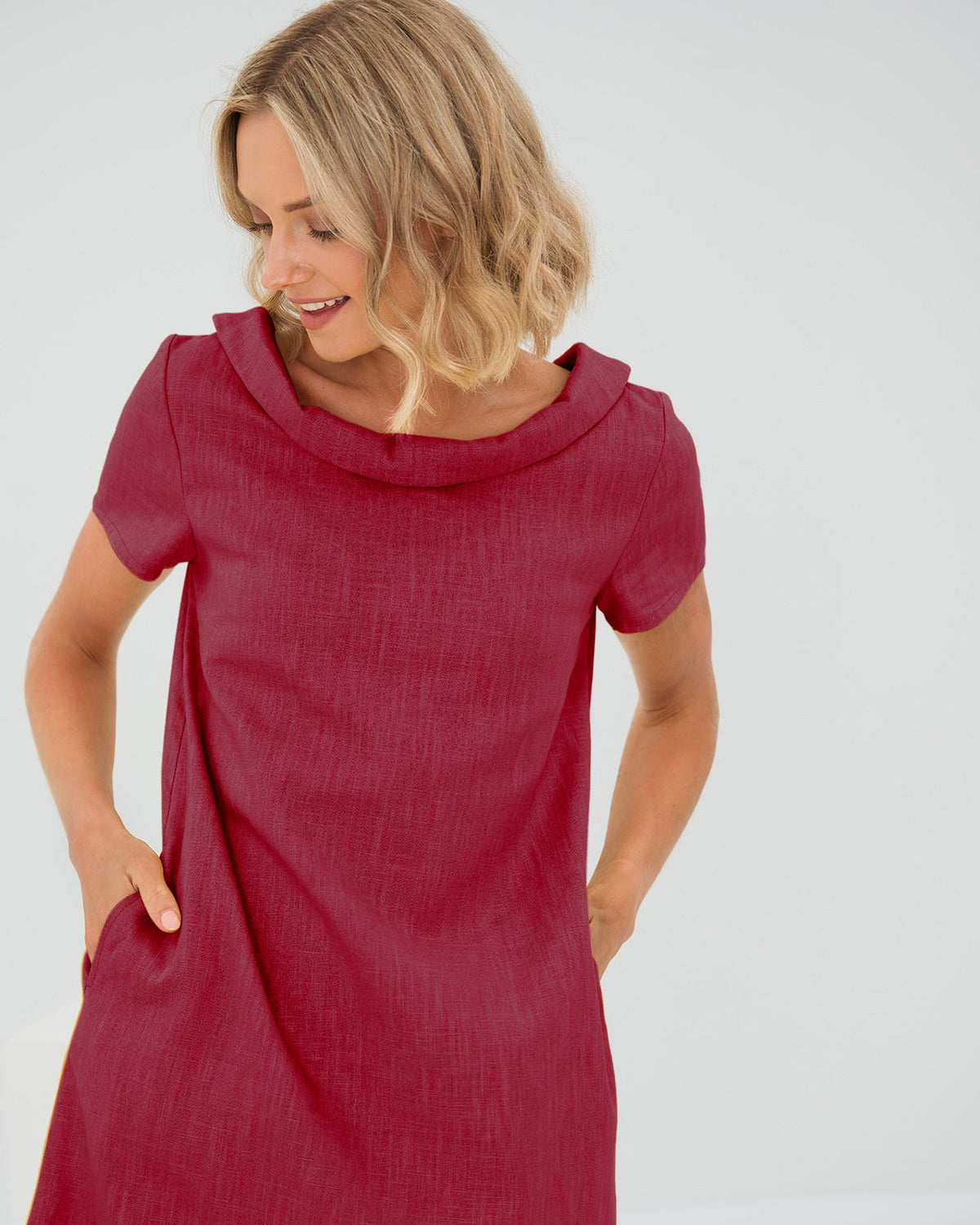
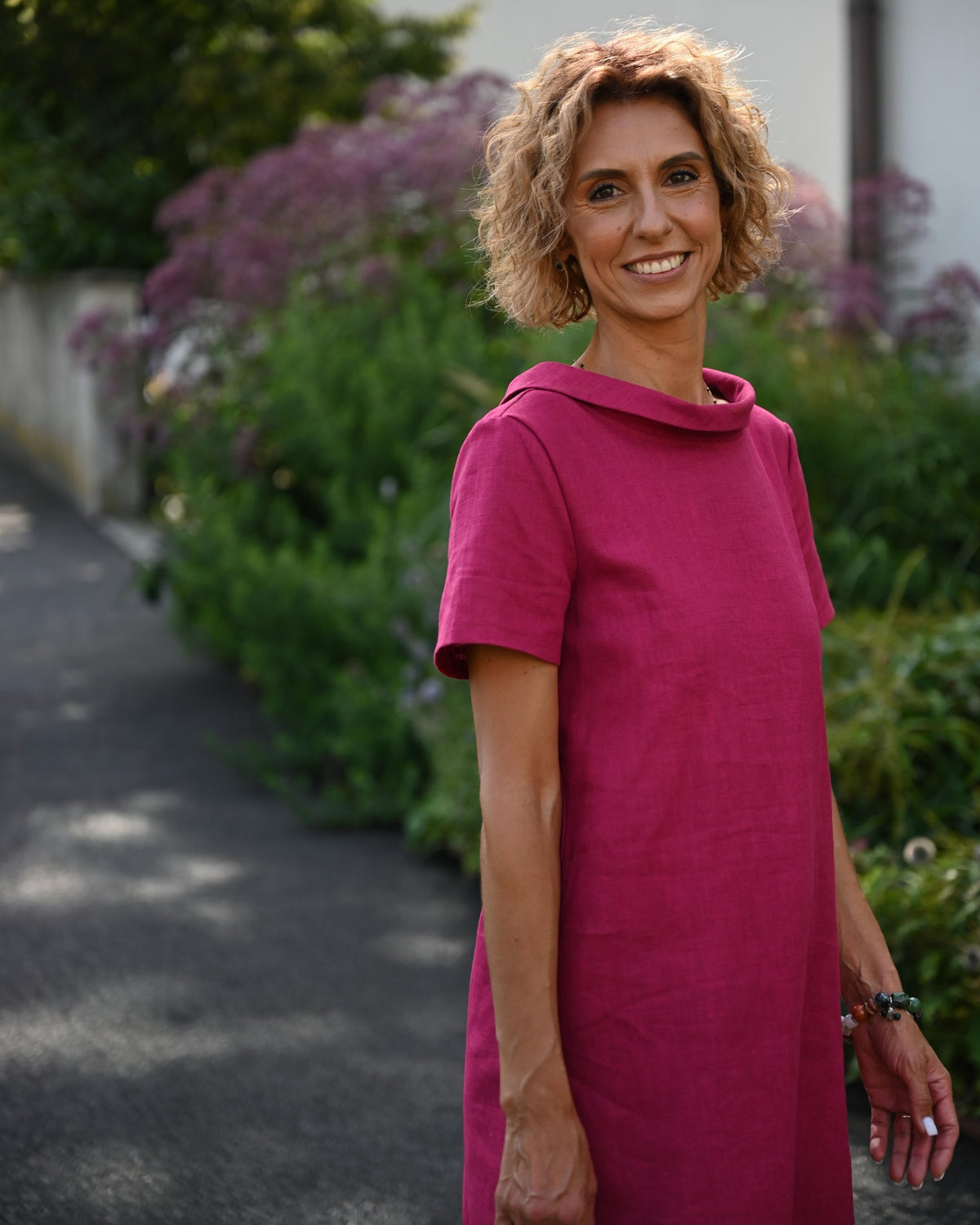
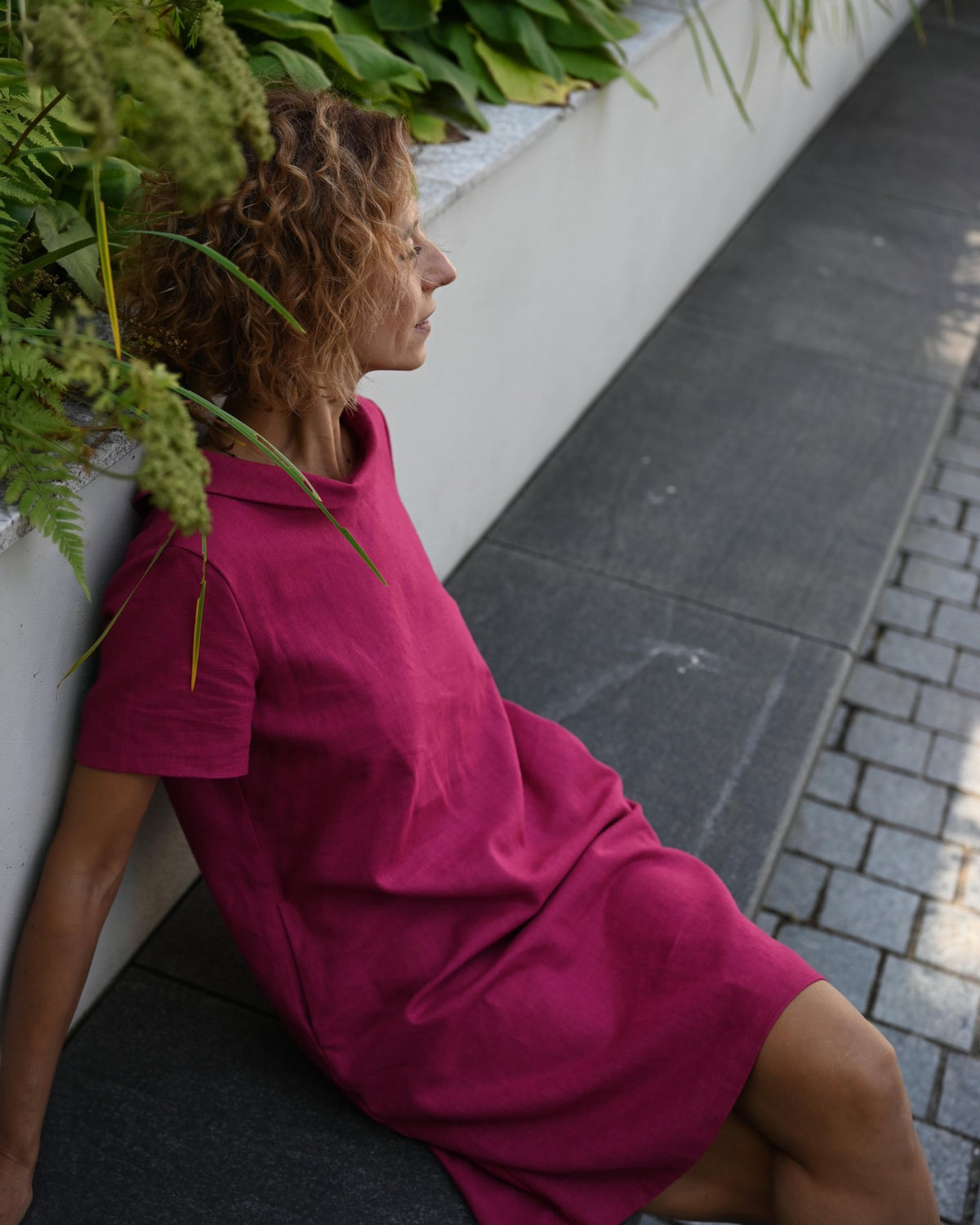
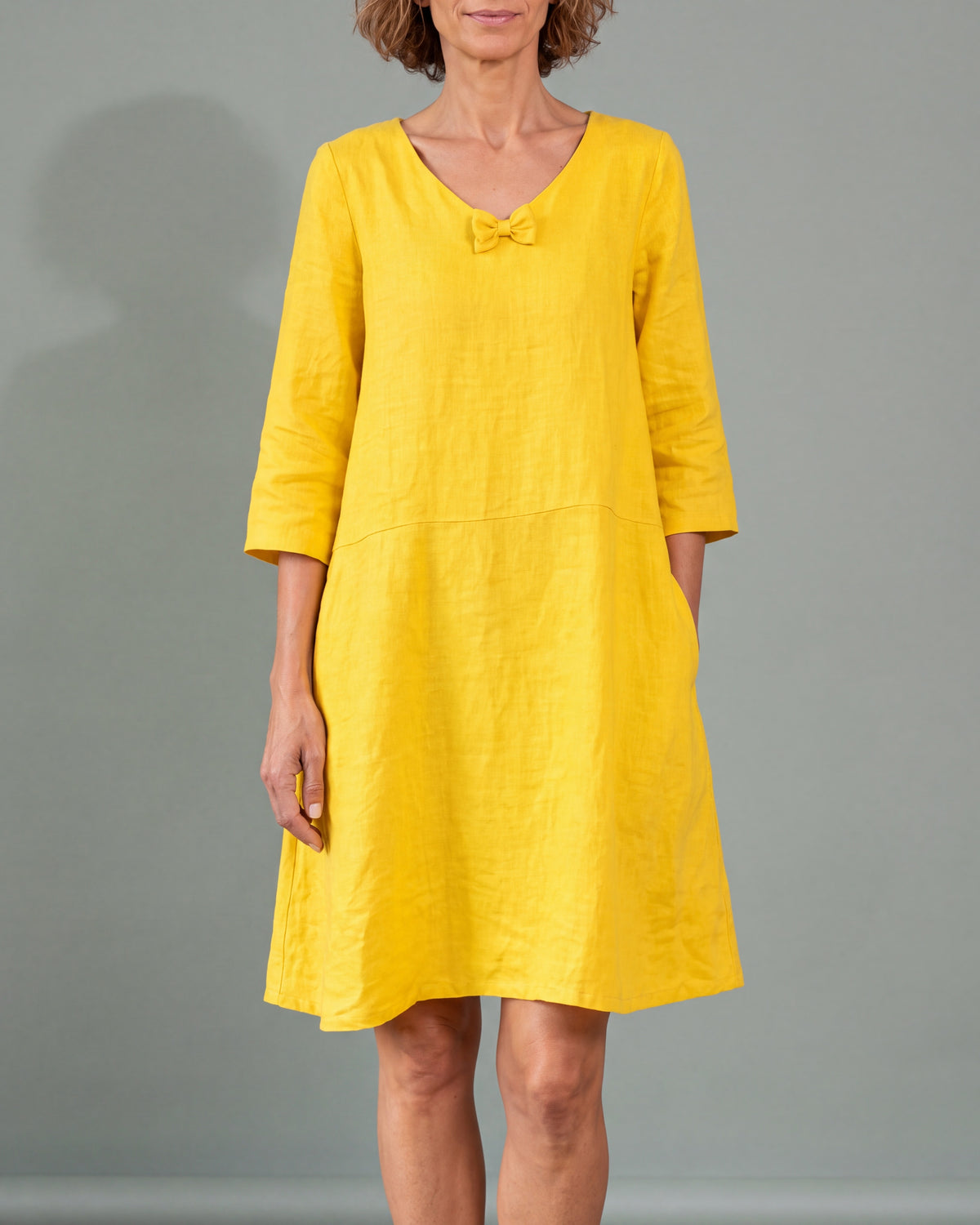
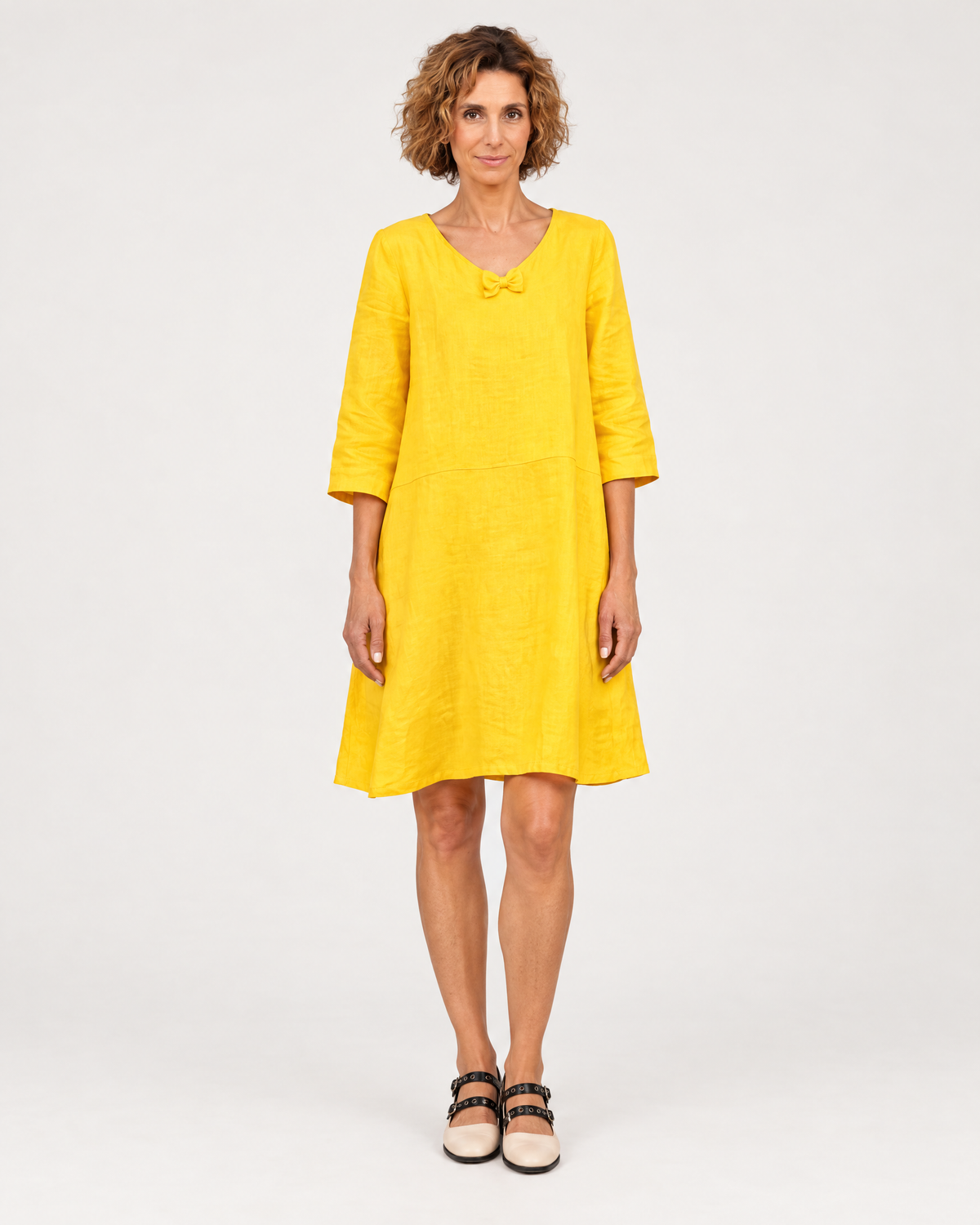
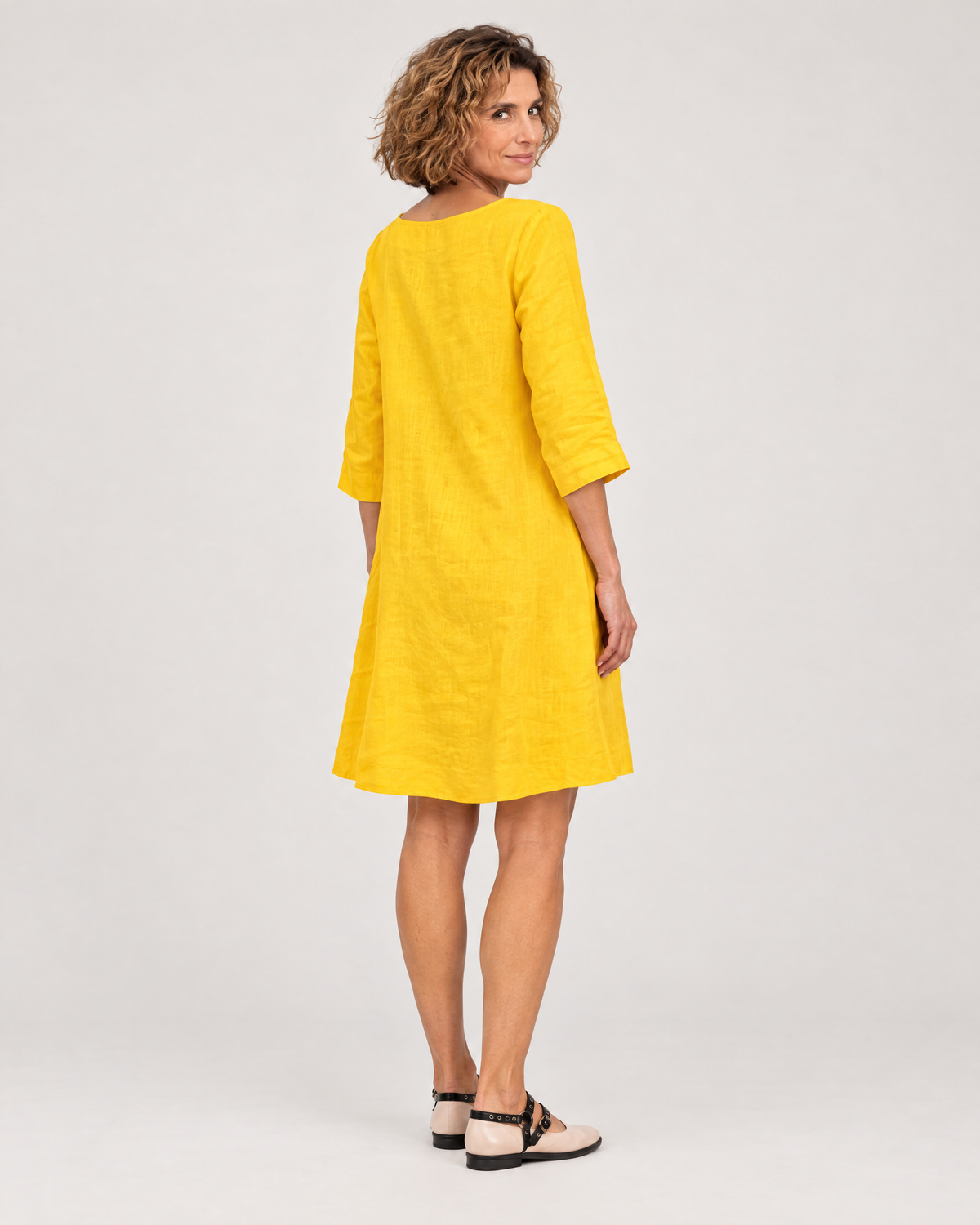
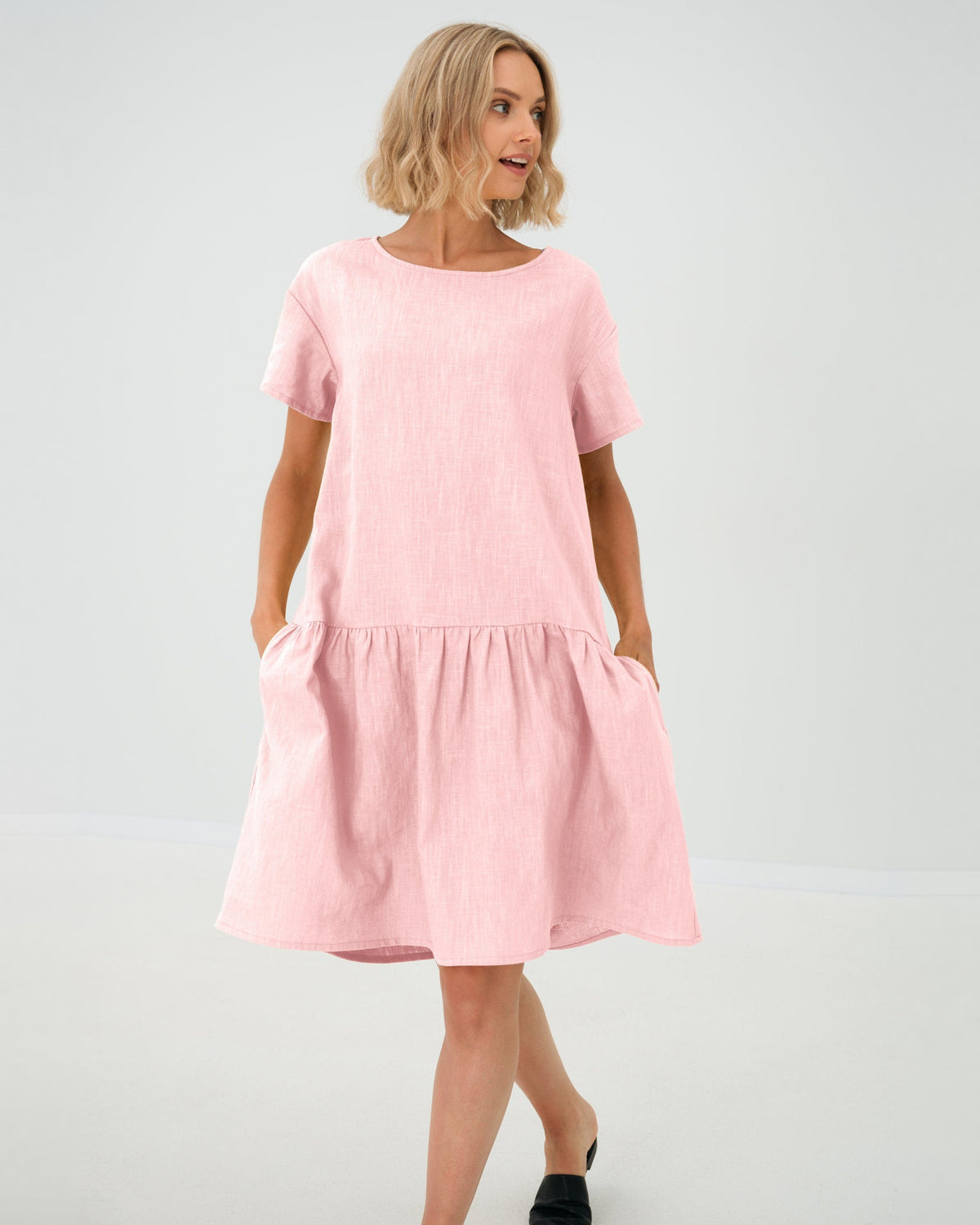
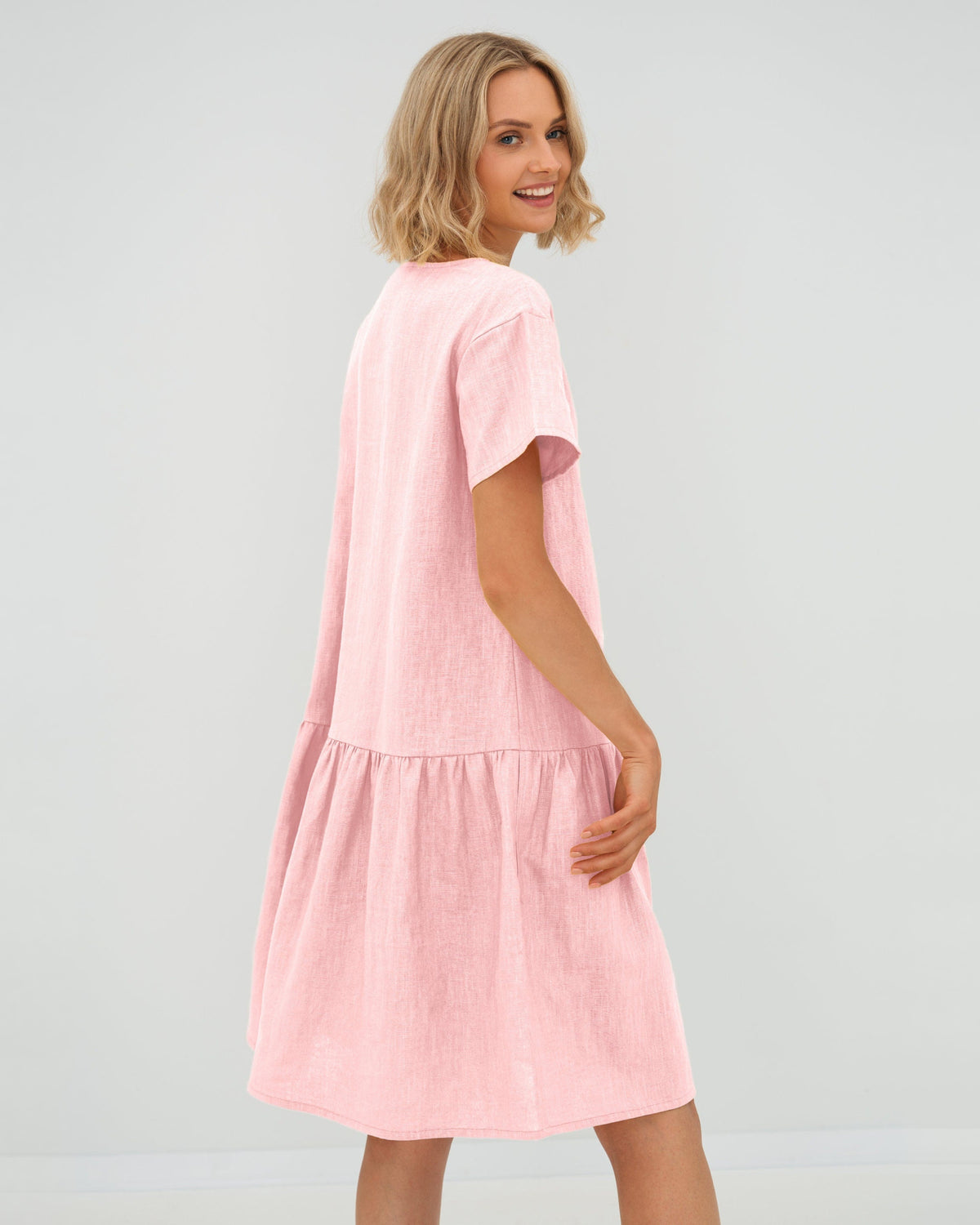
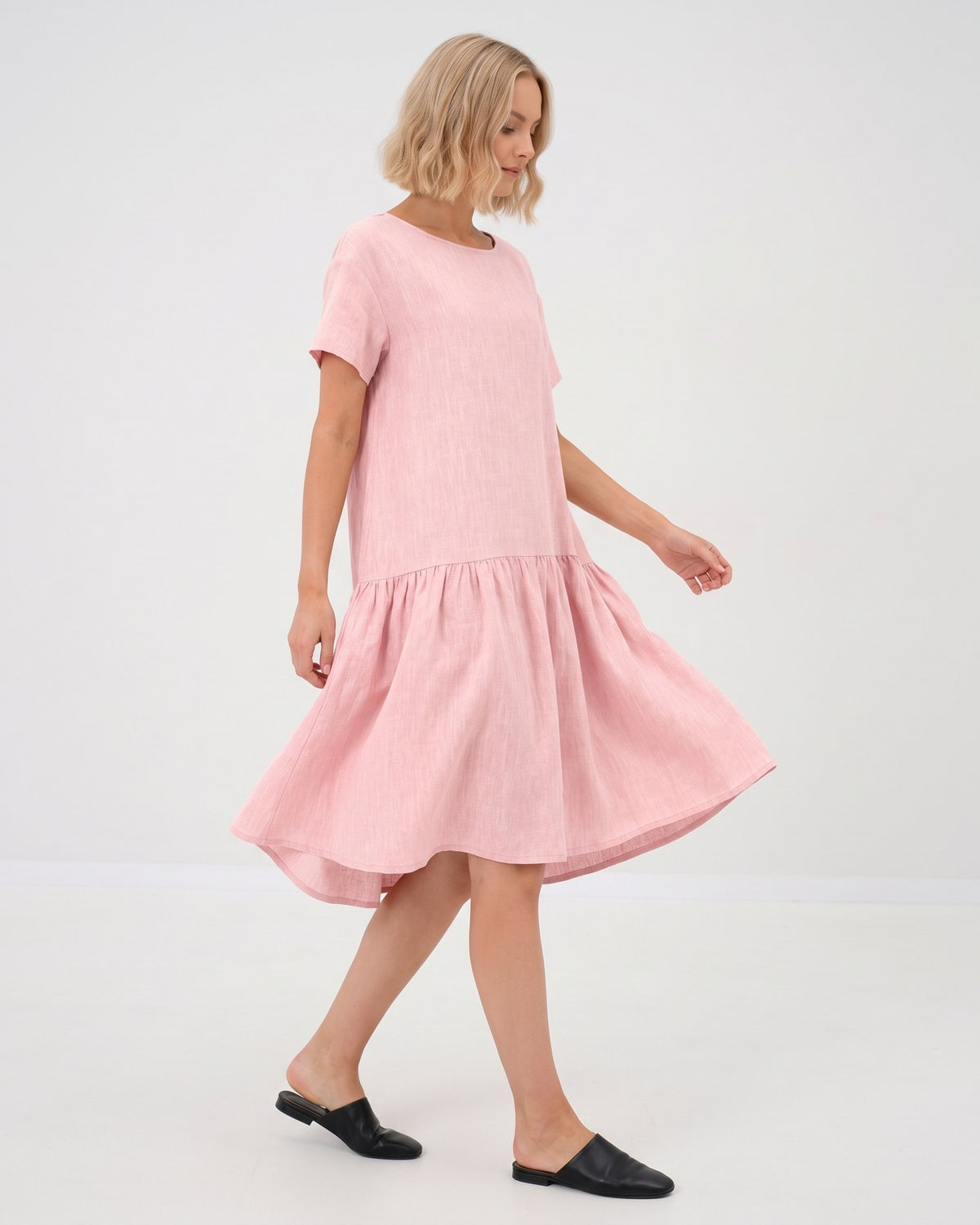
Four LeMuse dresses that let the natural character of linen remain visible: light, tactile and beautifully at ease.


In the field
Grown close, gathered whole
Fibre flax is sown densely so its stems grow long and slender. At harvest, the plants are traditionally pulled rather than cut, preserving as much stem length as possible for fibre.67
The harvest still looks more like a beginning than a textile. The useful fibres are held inside the stem, bound to woody matter. Releasing them takes a sequence of slow, precise stages.

From plant to cloth
The long work between
European flax-making traditions share a demanding sequence. The names vary by place, but the purpose is constant: free the long fibre, order it, spin it and weave it.68
- Pull
The plant is lifted with its stem intact, then dried.
- Ret
Moisture and natural microorganisms loosen the bonds around the fibre.
- Break & scutch
The woody core is broken and removed from the flexible strands.
- Hackle
Combing separates and aligns the long fibres.
- Spin
Prepared fibre is drawn and twisted into linen thread.
- Weave
Ordered warp and weft turn thread into cloth.
In Lithuanian life
Cloth for the body, cloth for the home
Linen moved through Lithuanian rural life in many forms. The Lithuanian National Museum documents handloom-woven linen in reconstructions of traditional dress and preserves a linen twill scarf among its clothing collections.13
Inside the home, woven textiles were both useful and expressive. The museum’s interior collection holds more than 4,700 household textiles, including over 1,400 handloom-woven towels, many in white linen or linen and cotton. Alongside towels are sheets, pillowcases, tablecloths, curtains, sacks, yarn and cloth rolls.2
Spinning, weaving, bleaching and dyeing are recognized among Lithuania’s traditional fibre crafts. They speak of knowledge held not in a single object, but in repeated gestures—from preparing fibre to counting threads and planning a woven pattern.49
The LeMuse connection
Tradition, carried lightly
We do not try to reproduce the past. We carry forward its respect for material.
For LeMuse, linen’s small irregularities are not flaws to be polished away. They are part of its honesty. We shape the cloth into silhouettes for contemporary life while keeping the ease, movement and tactile clarity that make linen itself.
Explore the linen edit